Custom Rental Periods with Refrigerated Trailer Rental Phoenix Arizona
Enhance Your Events Freshness: An Essential Guide to Refrigerated Trailer Solutions
Organizing an event demands careful consideration of food preservation and safety standards. Temperature-controlled trailers serve a critical function in reducing spoilage risks and ensuring that perishable items remain safe for consumption. Nevertheless, selecting the right size and features can be challenging. Being aware of the key aspects of refrigerated trailer rentals can greatly impact the complete success of an event. What essential factors should be considered to maximize this critical aspect?
How Refrigerated Trailers Stop Food Spoilage at Events
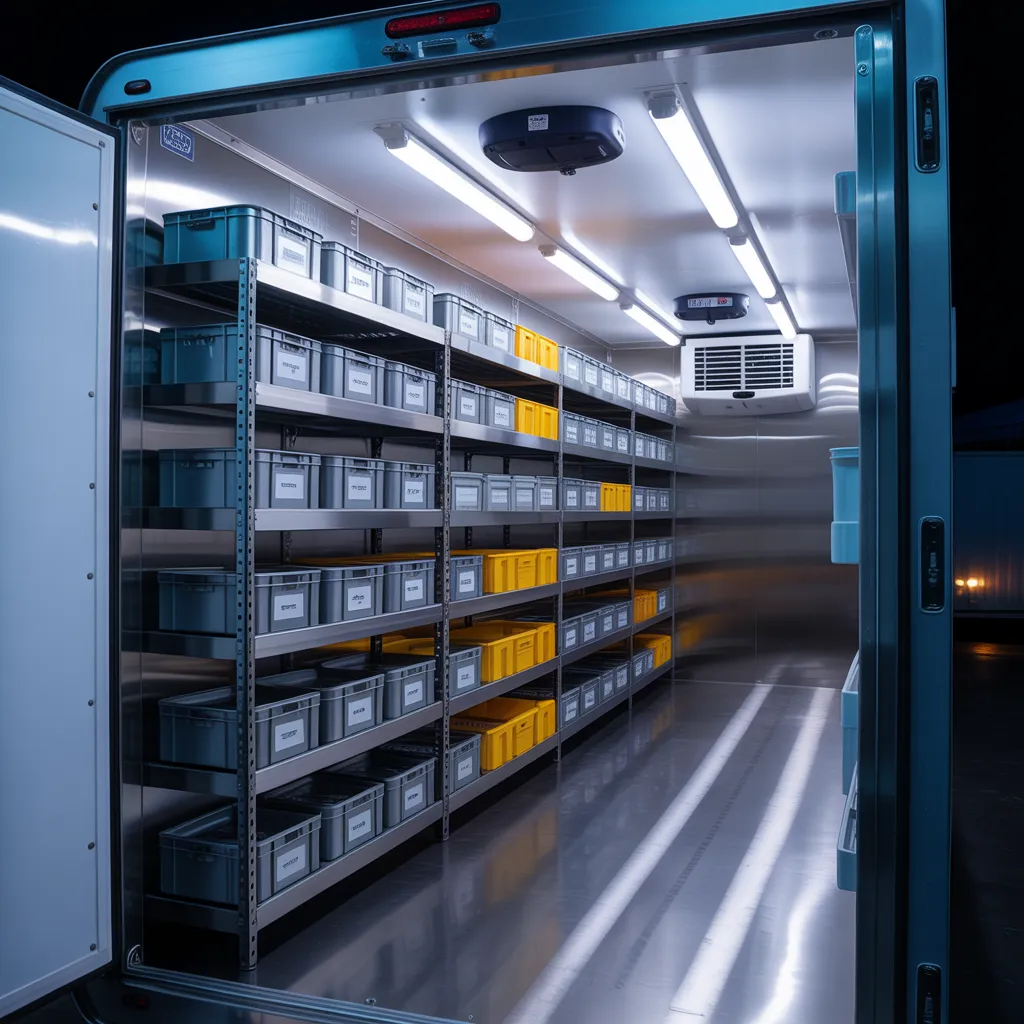
Refrigerated trailers are essential in stopping food from spoiling at events, making certain that perishable products remain suitable for consumption. These portable units create a controlled setting that sustains optimal temperatures, necessary for keeping diverse food items fresh, from meats to dairy goods. By employing high-quality insulation and efficient cooling systems, refrigerated trailers powerfully offset the consequences of heat and humidity, which may result in bacterial development and food spoilage.
Additionally, the advantage of delivering these trailers directly to event locations allows caterers and organizers to oversee food storage efficiently. This versatility minimizes the likelihood of foodborne illnesses, preserving the health of participants. In addition, the dimensions and storage capabilities of refrigerated trailers can serve different event types, making them flexible tools for every occasion. In conclusion, the implementation of refrigerated trailers is a critical method for ensuring food safety and quality at events, elevating the overall impression for visitors.
How to Determine the Right Size for Refrigerated Trailer Rentals
Selecting the correct size for rental refrigerated trailers requires detailed analysis of storage requirements and the duration of the event. Knowing the quantity of items to be stored will help determine the space needed. Additionally, factoring in the duration of trailer use can affect the choice of size, ensuring efficiency and effectiveness.
Gauge Your Storage Needs
How can one determine the appropriate size for renting refrigerated trailers? To properly evaluate storage needs, it is important to consider the quantity and nature of items that will be housed. A thorough inventory list should be developed, noting the sizes and amounts of products. This enables a better understanding of space needs. In addition, taking into account the trailer's layout is essential; correct organization can make the most of available space. Factors such as ventilation and ease of access also affect the decision. It is recommended to contact rental specialists, as they see more can provide guidance based on their knowledge and trailer inventory. Ultimately, choosing the appropriate size ensures optimal storage conditions, avoiding product damage and preserving product integrity during events.
Think About Event Duration
Understanding the length of an event is essential when selecting the correct size for trailer rentals, as it directly impacts storage needs. For shorter gatherings, such as several hours, a smaller unit may suffice, while extended occasions, spanning several days, demand bigger trailers to manage greater quantities of goods. Furthermore, the kinds of goods being stored, whether fresh food items, liquid refreshments, or flowers, also affects the size needed. It is important to determine the quantity of items and the timeframe for which they need refrigeration. A carefully considered strategy assures that all items remain fresh and accessible throughout the event. By factoring in time requirements, event planners can avoid unneeded expenses and logistical challenges associated with inadequate refrigeration capacity.
Important Attributes of Temperature-Controlled Trailers for Optimal Event Performance
When coordinating an event, the proper refrigerated trailer can prove essential, confirming that perishable items remain safe and fresh. Key features of these trailers include customizable temperature regulation, which allow for precise management of various food items. A dependable refrigeration system is vital, as it guarantees steady temperature maintenance throughout the duration of the event.
In addition, adequate storage space is a necessity; trailers must provide enough space to handle the quantity of food and drinks needed. Easy access is another important consideration; spacious doors and loading ramps support effortless loading and unloading, limiting holdups.
The quality of insulation is also crucial for sustaining thermal stability, particularly during changing outdoor weather conditions. Moreover, onboard monitoring technology notify event organizers of unexpected temperature changes, guaranteeing prompt handling of possible problems. Combined, these elements support positive event outcomes by preserving food integrity while improving overall guest experience.
How to Keep Food Fresh at Your Event
To ensure food stays fresh during an event, meticulous planning and attention to detail are crucial. First, the choice of high-quality ingredients is critical, as fresher products naturally have a longer shelf life. Next, maintaining appropriate storage temperatures is critical; refrigerated trailers must be configured to the appropriate temperature before food is loaded. It is important to properly arrange goods within the trailer, setting perishable products at the lower level and maintaining sufficient airflow.
Using insulated containers can further assist in maintaining temperature consistency. Furthermore, checking food temperatures with a thermometer across the duration of the event verifies safety and freshness.
Hygiene practices should be emphasized, encompassing routine handwashing and cleaning of surfaces to reduce the risk of food contamination. Finally, serving food promptly is essential; food should be taken out of the refrigerator just before serving to minimize exposure to warmer temperatures. By implementing these approaches, hosts can successfully maintain the freshness and presentation of food for attendees.
Don't Make These Mistakes When Renting a Refrigerated Trailer
What are the most common mistakes to avoid when renting a refrigerated trailer? A major error is not properly evaluating the appropriate size of the trailer. Opting for a trailer that does not match your capacity needs can cause inefficient space utilization and elevated costs. Furthermore, many renters fail to recognize the significance of verifying the refrigeration unit's proper operation. An improperly functioning unit poses a direct risk to food safety and overall product quality. Another common error is neglecting to verify rental terms, such as pickup and return times, which can result in unexpected fees. It is equally important for renters to be mindful of inadequate insurance policies, since securing proper coverage against potential damage is absolutely critical. Lastly, overlooking the trailer's placement and ease of access can lead to significant logistical complications during your event. By recognizing these common mistakes, renters can make well-informed choices and ensure their refrigerated trailer rental fulfills their requirements successfully.
Recommended Practices for Loading and Unloading Your Trailer
Proper loading and unloading techniques are essential for maximizing the efficiency and safety of a refrigerated trailer rental. To begin, evaluating the weight distribution is key; heavier goods should be positioned at the bottom and lighter items stacked on top to ensure stability throughout transport. Making use of pallets can simplify the loading and unloading process, while ensuring proper air circulation around products is essential for sustaining consistent temperatures.
When unloading, following a structured method is essential. Start at the rear and work toward the front, to prevent crowding at the door. Be sure to wear the proper personal protective gear to ensure safety. It is also wise to inspect the interior temperature of the trailer before beginning the unloading process to ensure that all products are kept within acceptable temperature limits.
Lastly, scheduling enough time for both loading and unloading reduces rush and potential errors, promoting a more organized and efficient process overall. Following these best practices can greatly enhance the effectiveness of refrigerated trailer operations.
Questions Our Customers Often Ask
How Much Does It Cost to Rent a Refrigerated Trailer?
The cost range for renting a refrigerated trailer typically falls between $100 and $300 per day. Factors influencing the price encompass the size, rental period, and supplementary features or services available from the rental company.
How Much Lead Time Do I Need to Book a Refrigerated Trailer?
You should reserve a refrigerated trailer no less than two to four weeks beforehand. This timeframe allows for availability assurance, confirming that particular requirements are fulfilled and minimizing last-minute pressure for those organizing events.
Are Delivery Options Offered for Refrigerated Trailers?
Absolutely, many providers offer delivery services for refrigerated trailer units. Event organizers can coordinate for the refrigerated trailer to be delivered to their event venue, providing timely access and convenience to necessary refrigeration for their specific needs.
Am I Able to Rent a Refrigerated Trailer for Short-Term Events?
People can indeed rent refrigerated trailers for short-term events. Various rental companies provide flexible options, accommodating different durations and sizes, guaranteeing that event organizers possess the required cooling solutions for their specific needs and requirements.
What Maintenance Should Be Performed During the Rental Period?
Throughout the rental duration, routine maintenance involves verifying temperature configurations, maintaining sufficient ventilation, checking seals and gaskets, watching for potential leaks, and maintaining interior cleanliness to eliminate odor and contamination. These measures ensure optimal performance and food safety.